EN
EN


What is Novruz? History and Origin
Novruz Holiday is one of the oldest celebrations in the world, symbolizing the arrival of spring and the beginning of the new year. Its roots go back thousands of years and it has been widely celebrated among Eastern peoples throughout history. This holiday is observed not only in Azerbaijan but also in Central Asia, the Caucasus, Iran, Turkey, and other regions to mark the revival of nature and the start of a new season.
Meaning and Symbolism of the Holiday
The word “Novruz” comes from Persian and means “new day,” representing the awakening of nature, the end of winter, and the arrival of spring. This holiday symbolizes leaving the fatigue of the past behind and stepping into the future with new hopes. In Azerbaijani culture, Novruz also reflects family unity, friendship, and hospitality, as people share good wishes with each other and celebrate the renewal of nature together.
The Charshembas (Preparation Days)
During the week leading up to Novruz, four Charshembas – Water, Fire, Wind, and Earth – are observed. Each Charshemba represents a specific element and has its own unique rituals:
-
Water Charshemba: Homes and springs are used to celebrate water as a symbol of blessing and purity. People may add fire, flowers, or symbolic objects to the water to wish for a productive and prosperous year.
-
Fire Charshemba: People light bonfires and jump over them to cleanse themselves from evil spirits, illnesses, and negative energy. This ritual is important for the health and well-being of family members.
-
Wind Charshemba: This day is associated with the wind element. People open windows and clean their homes and courtyards, symbolizing the removal of bad energy and welcoming fresh beginnings.
-
Earth Charshemba: The Earth ritual symbolizes fertility and abundance. Traditional prayers are said for crops, and rituals are performed to ensure the land produces a fruitful harvest.
The Holiday Table and Samani
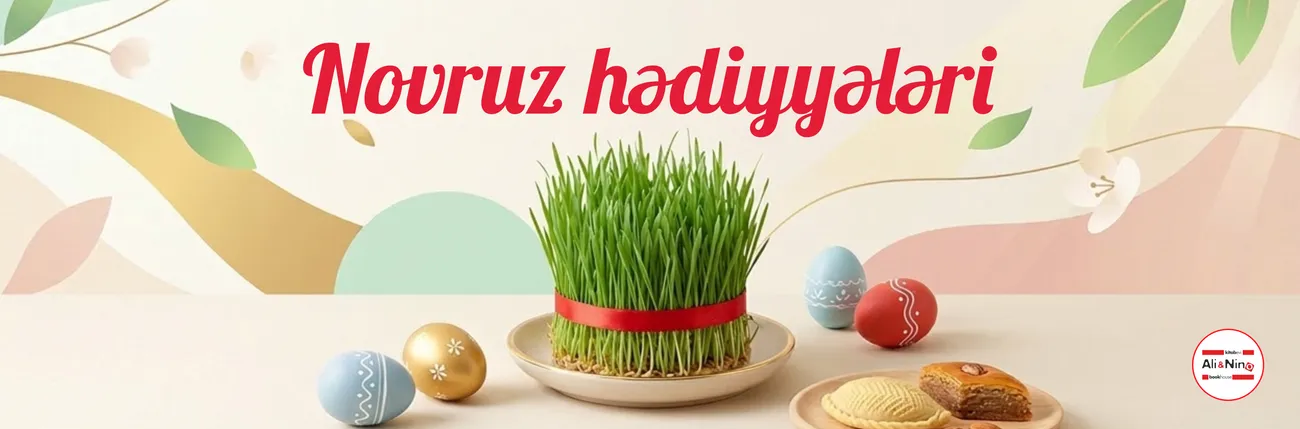
The central symbol of the Novruz table is samani, sprouted wheat representing life, fertility, and renewal. The table also includes various traditional sweets and foods:
-
Shekerbura – symbolizes prosperity and happiness.
-
Pahlava (Baklava) – represents wealth and abundance.
-
Gogal – strengthens family and friendship bonds.
-
Colored eggs – symbolize life and renewal.
Visiting Relatives and Friends
During the holiday, people visit relatives’ and friends’ homes, greet elders and children, and exchange holiday wishes. This strengthens family bonds and preserves intergenerational connections. At the same time, graves of deceased relatives are visited, prayers are said, and their memory is honored.
Holiday Festivities and Games
Novruz is marked by large public events, including concerts, performances by ashugs (folk singers) and khanandas, wrestling matches, polo, and traditional dances. Masked characters like Kosa and Kechel appear in performances, symbolizing the end of winter and the arrival of spring. These entertaining events bring joy and color to the celebrations for both children and adults alike.